Manufacturing Software Australia
Your factory floor, stock and accounts working from the same numbers
- 20+ years connecting business systems
- Works with Xero, MYOB and the systems you already use
- Fixed quote after a free chat
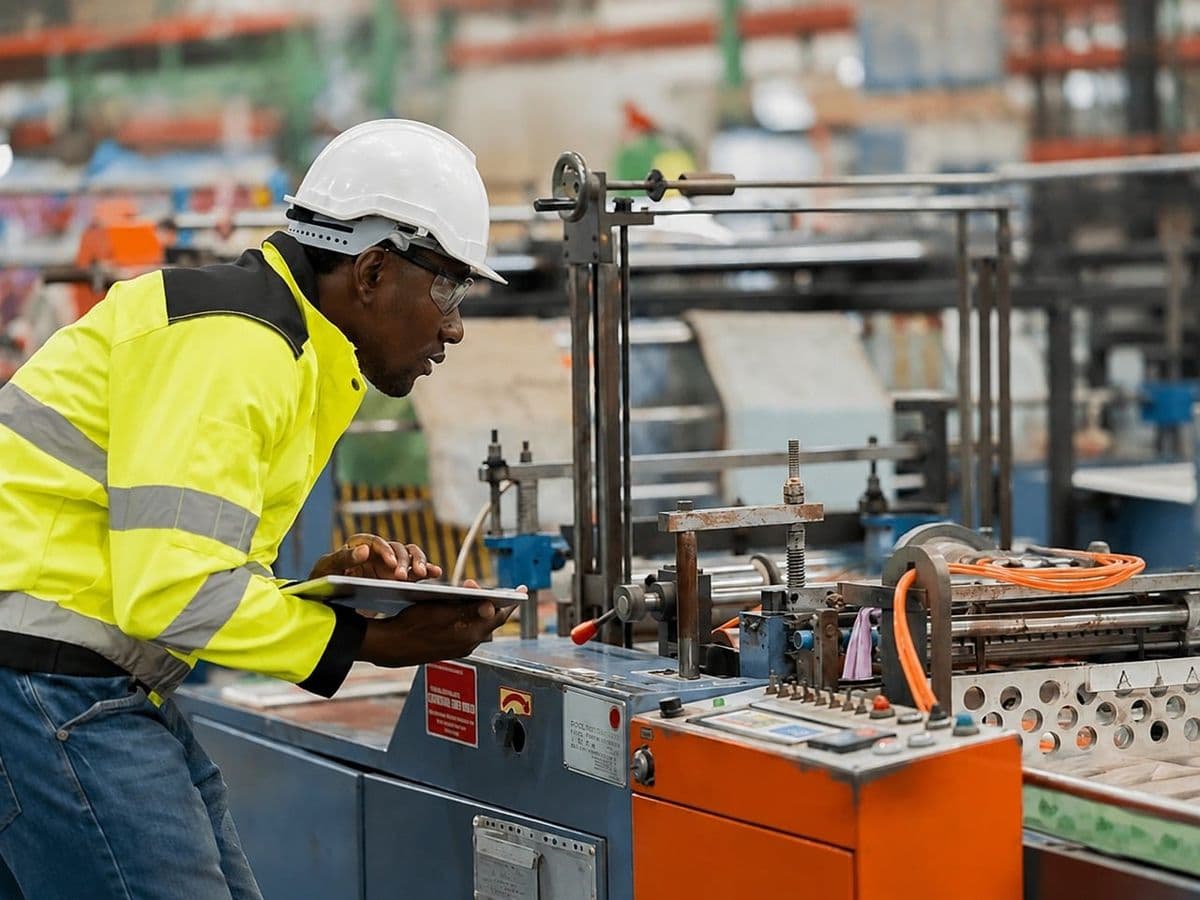
Systems That Talk
Most manufacturers run on systems that don't talk to each other. Production is tracked in one place, stock in another and the accounts in a third, with spreadsheets filling the gaps, so nobody knows what a job really cost until it is too late to do anything about it.
We help you choose the right software and connect what you already have: your ERP, the factory floor, stock, quality and Xero or MYOB, so figures go from production to the office on their own. You stop retyping, month-end brings no surprises, and you can trust your job costs and stock figures.
Where the Numbers Go Wrong
When systems don't talk to each other, this is what it looks like day to day.
Production and Accounts Out of Step
Stock Figures You Can't Trust
Supply Surprises
Reports Built by Hand
What We Connect
Information entered once, where the work happens, and passed on automatically.
Production & ERP
Stock & Purchasing
Quality & Traceability
Job Costs & Accounts
Manufacturing Types We Support
Different kinds of manufacturing need different things from their software. We set it up for the way you work.
Discrete Manufacturing
Examples: Metal fabrication, machinery, electronics, furniture, automotive parts
Focus: Parts lists (bills of materials), tracking work orders, job costing and assembly scheduling.
Process Manufacturing
Examples: Food & beverage, chemicals, pharmaceuticals, plastics
Focus: Batch tracking, recipes and formulas, yield, and compliance.
Make-to-Order
Examples: Custom engineering, one-off products, contract manufacturing
Focus: Quote to production, tracking variations, costing by project, and customer-specific requirements.
Make-to-Stock
Examples: Consumer goods, packaging, building materials
Focus: Forecasting demand, production scheduling, warehouse control and distribution planning.
Frequently Asked Questions
Most need a mix of: an ERP (the main system for orders, purchasing, stock and money), something to track jobs on the factory floor, stock control, quality records, and reporting. The right mix depends on your size, your industry, and whether you make to stock, make to order or run batch processes. We work out what you actually need before recommending any software.
It depends on the size of the business, which software you choose, how many sites and systems are involved and how much needs to be custom-built. We look at your setup and give you a fixed quote after a free initial chat. If you want a full written assessment before you commit, our $5,000 Process & Systems Audit covers it.
Yes. Connecting factory floor systems, machines and barcode scanners to the ERP and accounts is a core part of what we do. The aim is to stop people retyping production figures for the office, so you can see production costs, output and stock levels as they happen.
It depends on how many systems are involved and how much needs to change. A focused project connecting two or three systems is much quicker than a full ERP rollout. We always start by mapping how your business works and what systems you have, then give you a plan and a fixed quote.
Yes. Food and beverage manufacturers need batch tracking, traceability, use-by date control and compliance reporting. Off-the-shelf ERP setups often miss these, so we build them in from the start.
Systems that don't talk to each other. Production figures sit in one system, stock in another and the accounts in a third, with spreadsheets filling the gaps, so nobody has a full picture of job costs, margins or stock until someone spends hours pulling reports together. Closing those gaps is where we help most.
Related Resources
Systems Not Talking to Each Other?
Tell us what systems you run and where your team retypes or reconciles figures. We'll tell you honestly what is worth fixing first, and give you a fixed quote. Start with a free initial chat, or book a $5,000 Process & Systems Audit for a full written assessment.