Manufacturing Job Costing
Quoted versus actual, on every job — without moving to an ERP
Which Jobs Actually Make Money?
Most small and mid-sized manufacturers and fabricators can tell you whether last month was profitable. Far fewer can tell you which jobs were — because the hours and materials that went into each one were never captured against it.
You don't need to replace Xero or MYOB with an ERP to fix that. We add the missing pieces — labour captured on the floor, materials tracked to jobs, a comparison with the quote — and connect them to the systems you already run.
Where Job Margins Go Missing
Quotes are never checked against reality
You quote on estimated hours and materials, win the job, build it — and never find out whether the estimate was right. The same underquoted product gets underquoted again.
Labour hours disappear
Time is recorded for payroll, not for jobs. Paper timesheets with job numbers get filled in at the end of the week from memory, if at all. Labour is often the biggest cost and the least known.
Stock used on a job isn’t tracked to it
Materials bought for a job show up against it, but materials pulled from the shelf don’t, so jobs that use stock look more profitable than they are.
The accounts only show the total
The profit and loss says whether the month was good. It can’t tell you which customers, products or job types made the money — and which ones quietly lost it.
How It Works
Start from the quote
Quoted materials, labour hours and overhead for each job come from your quoting tool or spreadsheet, so every job has a baseline to compare against.
Capture labour on the floor
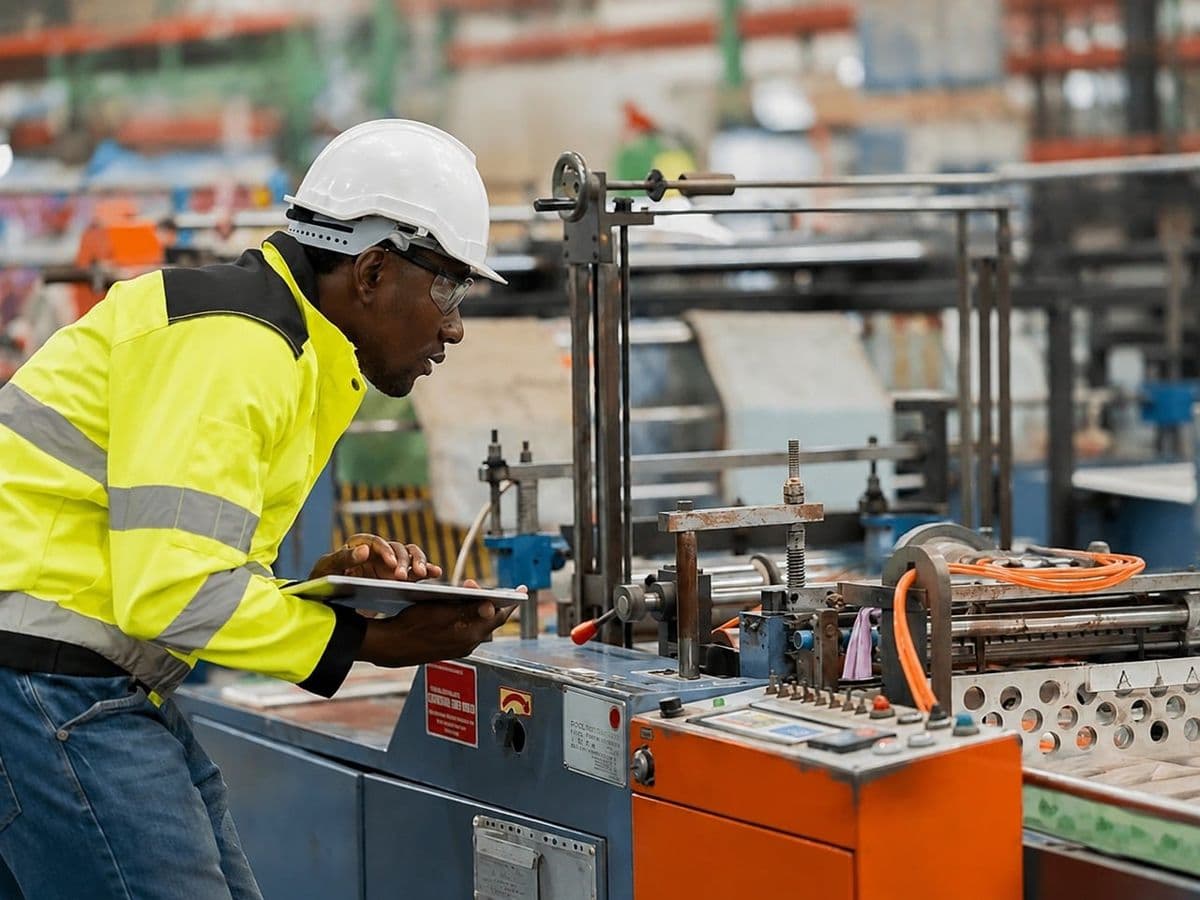
Staff clock onto jobs at a tablet or kiosk, or by scanning the job card. Hours land against the job the same day — not reconstructed on Friday.
Track materials to the job
Purchases tagged to the job come from Xero or MYOB; stock issued from inventory comes from your inventory tool or a simple issue screen.
Compare quoted vs actual
A report per job, customer and product type shows where actuals ran over the quote — and feeds real figures back into the next estimate.
A good fit if you…
- Build to order or to quote — fabrication, joinery, engineering, custom products
- Run Xero or MYOB and are mostly happy with it
- Suspect some jobs or customers lose money but can’t prove which
- Track floor time on paper, or not at all
Probably time for an ERP if you…
- Need MRP — planning materials from multi-level bills of materials
- Schedule many work centres with competing jobs
- Run multiple entities or sites with shared stock
- Have outgrown your accounting system for other reasons too
See our manufacturing ERP and MYOB Advanced vs NetSuite pages.
Job Costing FAQs
Want to Know Your Real Job Margins?
Tell us how you quote, how time is recorded today and what you run for accounts and stock. We'll show you the simplest way to get quoted-versus-actual on every job.