Data Cleansing Services
Duplicate customers, messy stock codes and records that don't match between systems, cleaned up and kept clean
No obligation. We reply within one business day.
Not ready to talk? Try the free Admin Time Count to see where your team's hours go.
Want it measured first? Our $5,000 Process & Systems Audit gives you a map of where work and data get stuck, a measured baseline and a written plan. About the audit
Not ready to talk? Try the free Admin Time Count to see where your team's hours go.
Want it measured first? Our $5,000 Process & Systems Audit gives you a map of where work and data get stuck, a measured baseline and a written plan. About the audit
What we do for clients
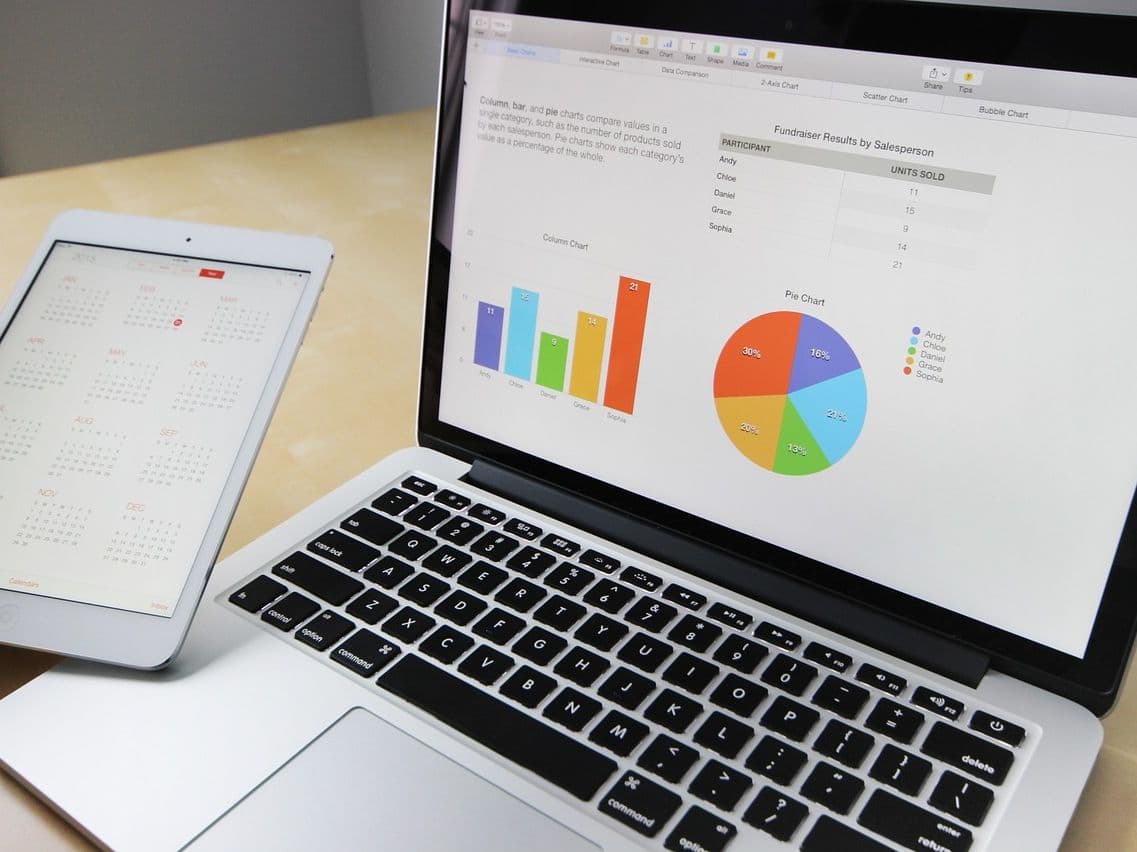
Clean Data in the Systems You Run On
Data cleansing (also called data cleaning) means finding and fixing the duplicates, gaps and inconsistencies in the records your business depends on. For most growing businesses, that's customers, suppliers, stock items, jobs and the codes that tie them together, spread across an accounting system, a job or stock system and a few spreadsheets.
Our data cleansing services cover the whole job: we find the problems, agree the rules with you, fix the records, load them back and reconcile the totals. You get a log of every change. Do it as a standalone clean-up, or before a move to a new system.
Then we deal with the cause. Data usually gets messy because the same customer or item is created in more than one system. We connect your systems so each record is created once, and the mess doesn't come back.
Is This the Right Kind of Data Cleansing?
“Data cleansing” means different things to different people. Here's what we do and don't do.
We clean
- Customer, supplier and stock item lists in your business systems
- Job, cost, account and tax codes
- Records that should match between two or more systems
- Old Access, FileMaker and spreadsheet data before it moves
We don't clean
- Marketing or email lists for campaigns
- Mailing address lists checked against postal databases
- Bought-in lead lists
- A one-off spreadsheet tidy-up that a few hours in Excel would fix
For marketing, email or address list cleaning, a specialist list or marketing data provider is the better choice.
Sound Familiar?
The problems that usually bring people to us for a clean-up.
The same customer three times
Codes nobody trusts
Formats all over the place
Systems that don’t agree
Gaps that cause rework
Old records in the way
What We Clean
- Customers and contacts, with terms, price levels and delivery addresses
- Suppliers, with ABNs, payment terms and bank details checked
- Stock items and products: codes, descriptions, units, prices and costs
- Jobs and projects: codes, statuses, customers and cost codes
- Codes and categories: account, tax, cost centre and job codes used across systems
- Cross-references: the same record held in two or more systems, matched up
These core lists are sometimes called master data. When they're kept in several places that don't talk to each other, you get data silos.
When to Do It
On its own
Reports don’t add up, the team has stopped trusting the lists, and every month someone spends days tidying before anything can be reported.
Before a system change
You’re moving to a new ERP, job, stock or accounting system. Cleaning first means the new system starts clean. Data migration services →
After an acquisition
You’ve bought a business or added an entity, and now two sets of customers, suppliers and item codes need to become one. Bringing an acquired business onto your systems →
Before automation or AI
Automation and AI work on the data they’re given. If that data is messy, they repeat the mistakes faster. Clean it first. AI readiness assessment →
What You Get
A clean-up you can check, not just trust.
A data health report
Cleansing log
Decisions list
Cross-reference table
Before and after counts
A plan to keep it clean
How a Clean-Up Runs
From the first conversation to data that stays clean.
Free initial chat
You tell us which systems the data is in and what’s wrong with it. We tell you plainly whether we’re the right fit.
Look at the data
We take a copy or a sample and profile it properly: duplicates, odd codes, gaps and mismatches between systems. You get the data health report.
Fixed quote and rules
You get a fixed quote, and we agree the rules with you: how duplicates are matched, which record wins, what counts as inactive.
Clean and check
We clean a copy first, and your team checks it with examples they know well. We fix what they find and run it again.
Load and reconcile
The clean data goes back into your systems, or into the new one, at an agreed time. Counts and totals are reconciled and signed off.
Stop it coming back
We set up one place to create each record and connect the other systems to it, so the same customer or item isn’t typed in twice again.
Cleaning Once Isn't Enough
A clean-up on its own fixes today's data. Within a year, the duplicates are usually back, because nothing about how records get created has changed. The sales team adds a customer in the CRM, accounts adds the same customer in the accounting system, and the warehouse sets up a slightly different version in the stock system.
So the last part of the work is to fix that. We agree which system is the home for each kind of record, connect the other systems to it so details are copied automatically instead of retyped, and add simple checks that catch an obvious duplicate before it's saved. That's what people mean by a single source of truth, and it's how you stop double data entry creating the next mess.
More on how this works: finding and fixing duplicate customers, suppliers and items, and one set of numbers everyone trusts.
Who Does the Work
Kenomont is a business systems consultancy founded by Aaron Chambers, with more than 20 years of experience building and connecting business systems. You work directly with the people doing the matching and the checks.
That includes a forestry export and port management system that receives ticket data from the weighbridge system, and a purchase order approval system a large retirement living provider has used every day since 2014. Both have to keep their records right year after year.
Cost and Timing
Every clean-up is given a fixed quote after we've seen a copy or sample of the data. What drives the cost: how many systems are involved, how many records, how messy they are, and whether we also connect the systems afterwards.
Not sure whether the data is the real problem? The $5,000 Process & Systems Audit maps your processes and systems and shows where data gets retyped or stuck. Otherwise, book a free chat.
The Technical Side
For whoever looks after your systems: how we clean without losing anything.
Matching
Likely duplicates are found by comparing names, ABNs, emails, phone numbers and addresses after tidying their formats, not just exact text. Matches are reviewed against the agreed rules; borderline cases go on the decisions list.
Merging safely
Where the system supports merging, history follows the surviving record. Where it doesn’t, the old record is made inactive and cross-referenced, so nothing is orphaned.
Backups and repeatability
A backup is taken before changes. The clean-up is scripted, so it can be run again on fresh data, for example on the final run before a migration.
Through the front door
Changes are made through each system’s own import tools or API (its official connection point), so the system’s own rules and audit trail still apply.
Data Cleansing FAQs
What Data Needs Cleaning Up?
Tell us which systems the data lives in and what's wrong with it. We'll tell you plainly what a clean-up involves, and whether it should happen on its own or as part of a move to a new system.
Free initial chat. No sales pressure - if we're not the right fit, we'll say so.
Prefer to talk? Call 1300 470 091
Got a spec or files? Email [email protected]